Pest & Disease
Timely pest and disease monitoring that helps you meet industry protocols, protect market access and fine-tune your control programmes.

Why monitor pests & diseases
Pest and disease monitoring involves regularly observing, recording, and analysing pest and disease activity in the orchard. It is essential for meeting New Zealand's export market access requirements and maximising export yield.
Consistent monitoring records help growers understand pest pressure and seasonal trends, enabling informed decisions on spray timing, product selection, and application frequency. As a cornerstone of Integrated Fruit Production (IFP) and integrated pest management (IPM) more broadly, this targeted approach reduces unnecessary chemical use, improves cost efficiency, slows resistance development, and protects beneficial organisms within the orchard ecosystem.
A lack of proper monitoring often leads growers back towards calendar spraying, the opposite of IFP. This 'flying blind' approach risks both missing critical control windows and over-applying products, which can breach the maximum residue limits (MRLs) set by premium export markets. Either can lead to serious problems such as rejected shipments, lost revenue, and reputational damage that extends beyond the orchard gate.
Pheromone trapping
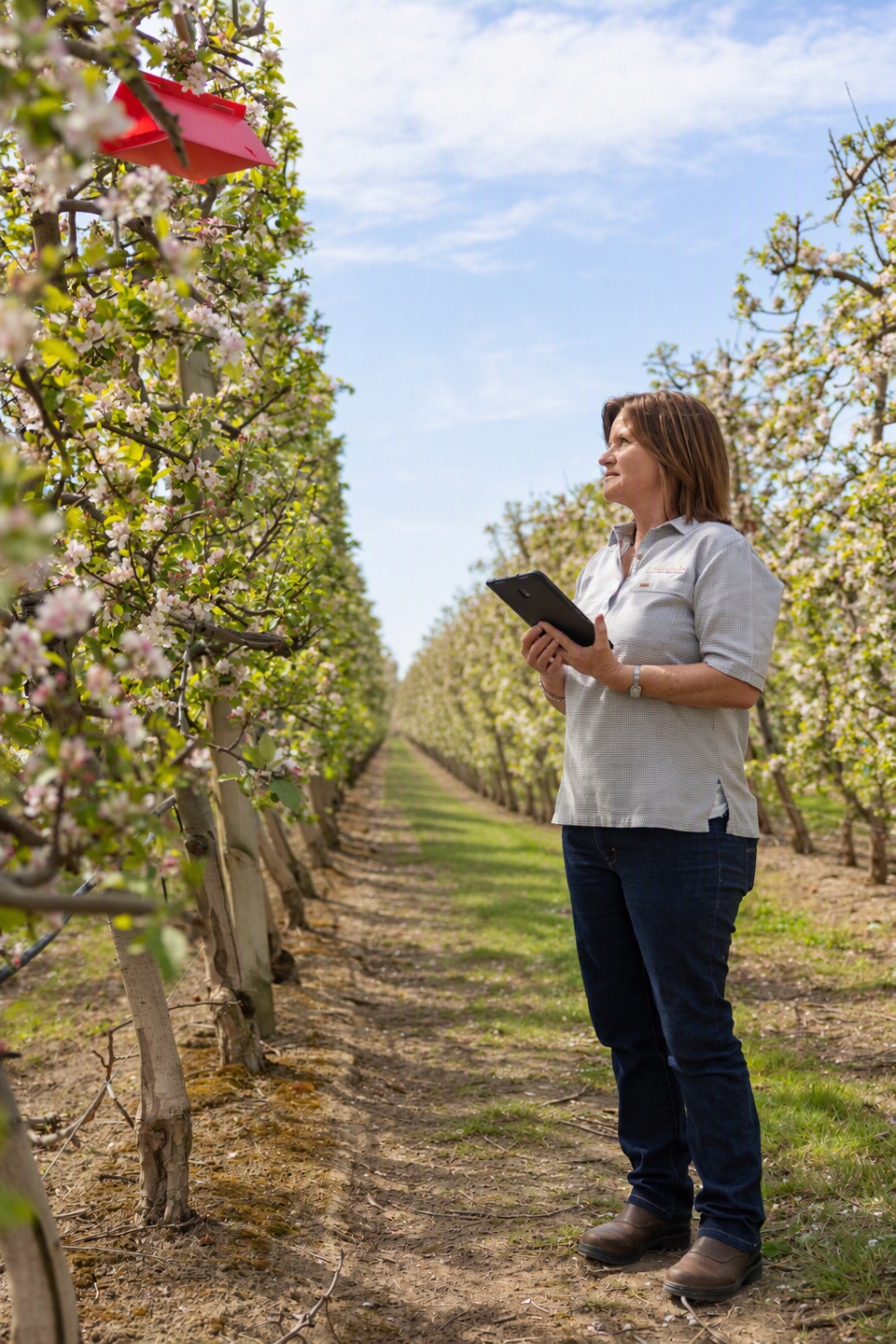
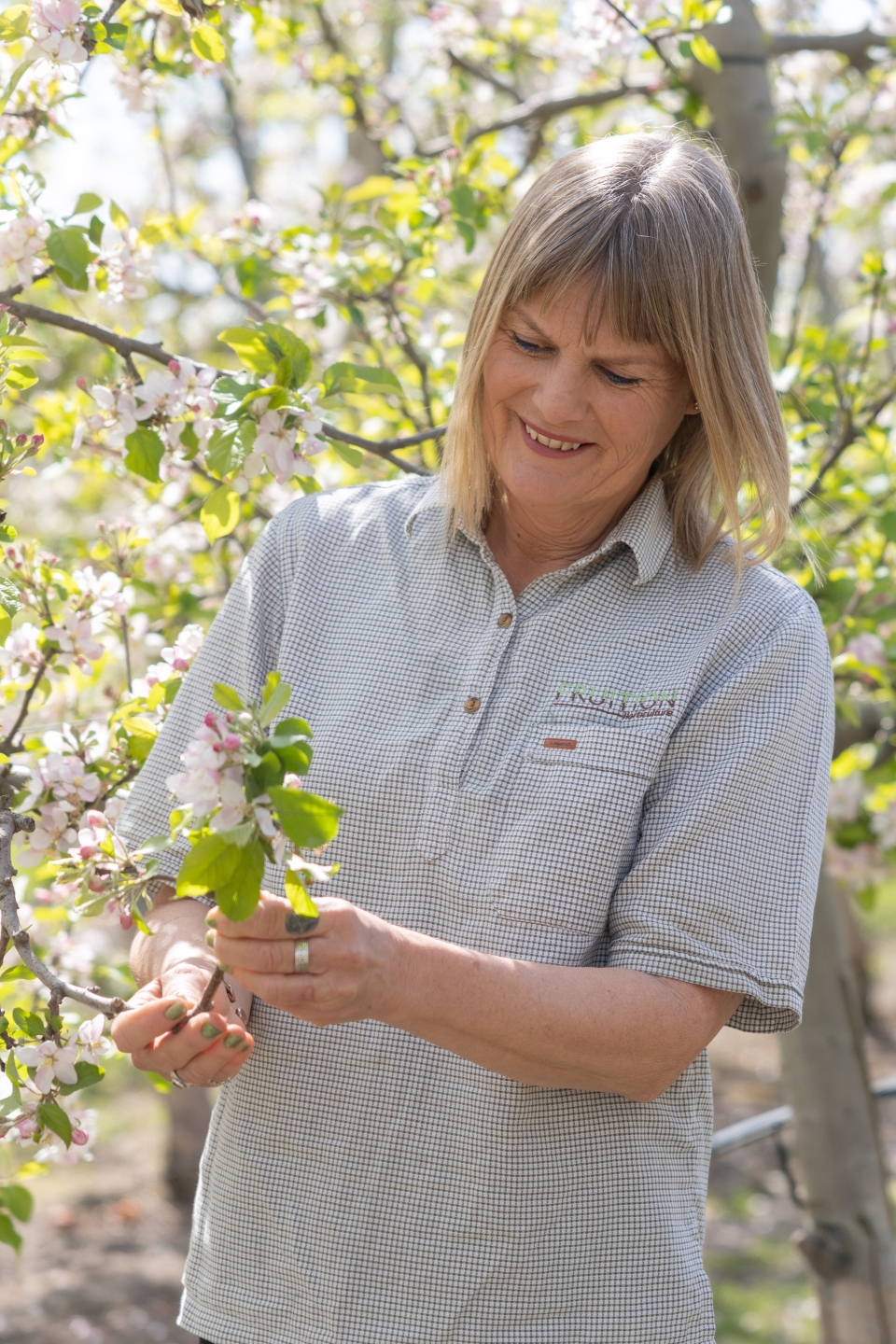
Our MPI-accredited pheromone trapping service helps pipfruit growers meet the export programme requirements for Codling Moth Sensitive Market (CMSM). Across Hawke's Bay, we offer a complete service, from advice on trap numbers and placement to weekly monitoring, threshold assessment, and reporting. Our trained trap scouts visit your orchard each week to record catches and maintain lures, bases, and the traps themselves. Your trapping day stays the same, and we provide same-day notification if thresholds are exceeded, making it easy for you to maintain market access.
Seasonal trapping records can be accessed at any time through Trappa® on the Fruition Portal.
For additional assurance, we offer 1000-fruit harvest assessments for high-risk blocks, as well as CMSM audits, giving growers recognised monitoring and verification to support market access.
With Fruition managing the monitoring and keeping you informed, you can focus on growing, confident that your CMSM requirements are being met.

Fruition Portal
The Fruition Portal gives you a set of tools for reviewing your orchard's pest monitoring data.
Trapping Overview
The Trapping Overview page shows your orchard's production sites on satellite imagery, with site boundaries and progressive monitoring results. Weekly and cumulative codling moth (CM) trap catches are displayed in a traffic-light system: green (no action required), orange (approaching threshold), and red (threshold reached, action required). Visual prompts help you identify high-risk and high-pressure blocks at a glance, and the season selector lets you review historical trapping records to see CM pressure across seasons.
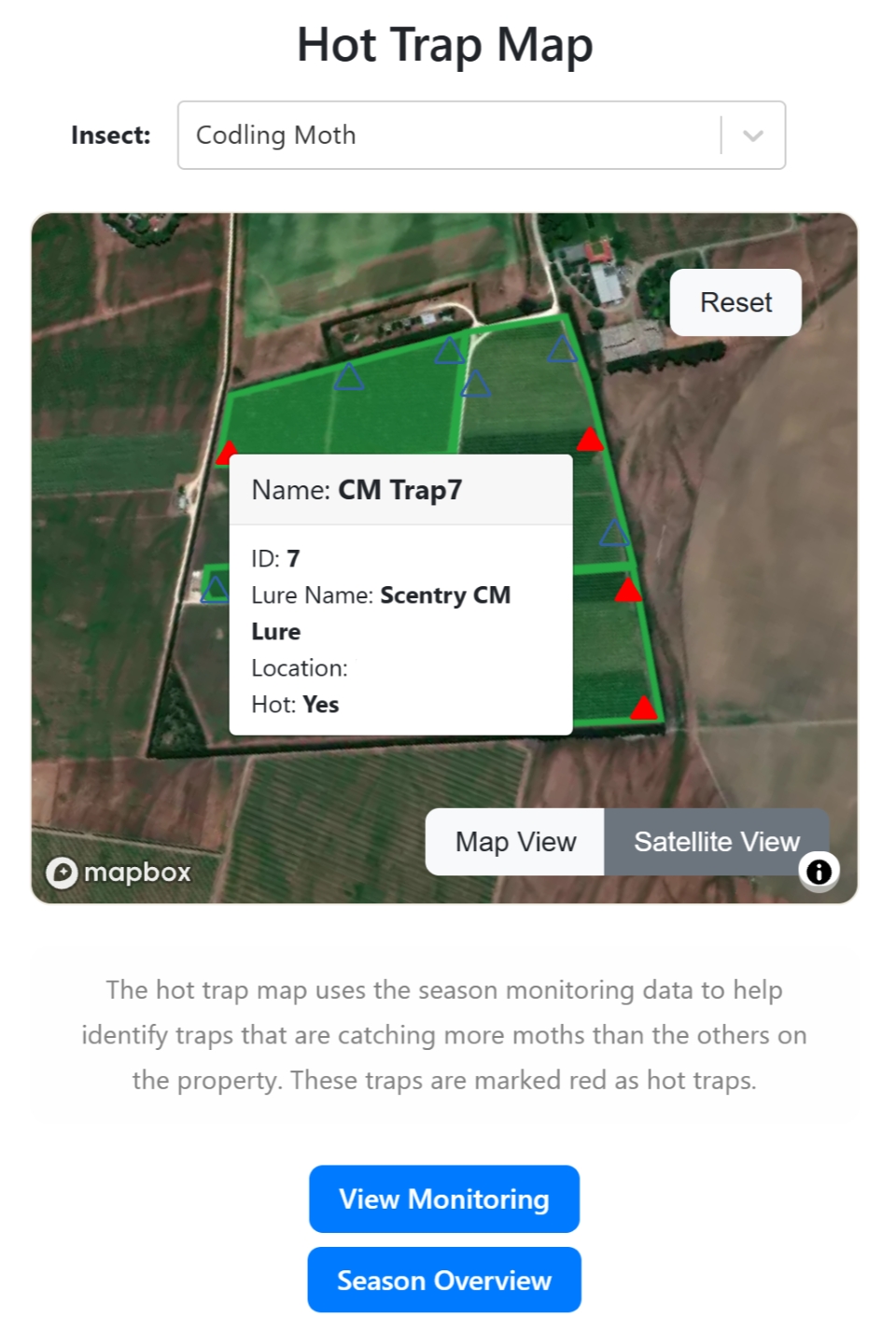
Hot Trap Map
The Hot Trap Map highlights the traps that have caught more moths than others on the property over the season. This helps growers identify CM high-pressure areas within an orchard and optimise orchard subdivision for pest control decisions.
Season Overview
The Season Overview page summarises your orchard's CM trapping records, threshold events, and spray applications throughout the season. These end-of-season reports give you a record for reviewing CM pressure and assessing control measures and responses, and a reference for planning and refining future monitoring and management programmes.
Pest & Disease monitoring
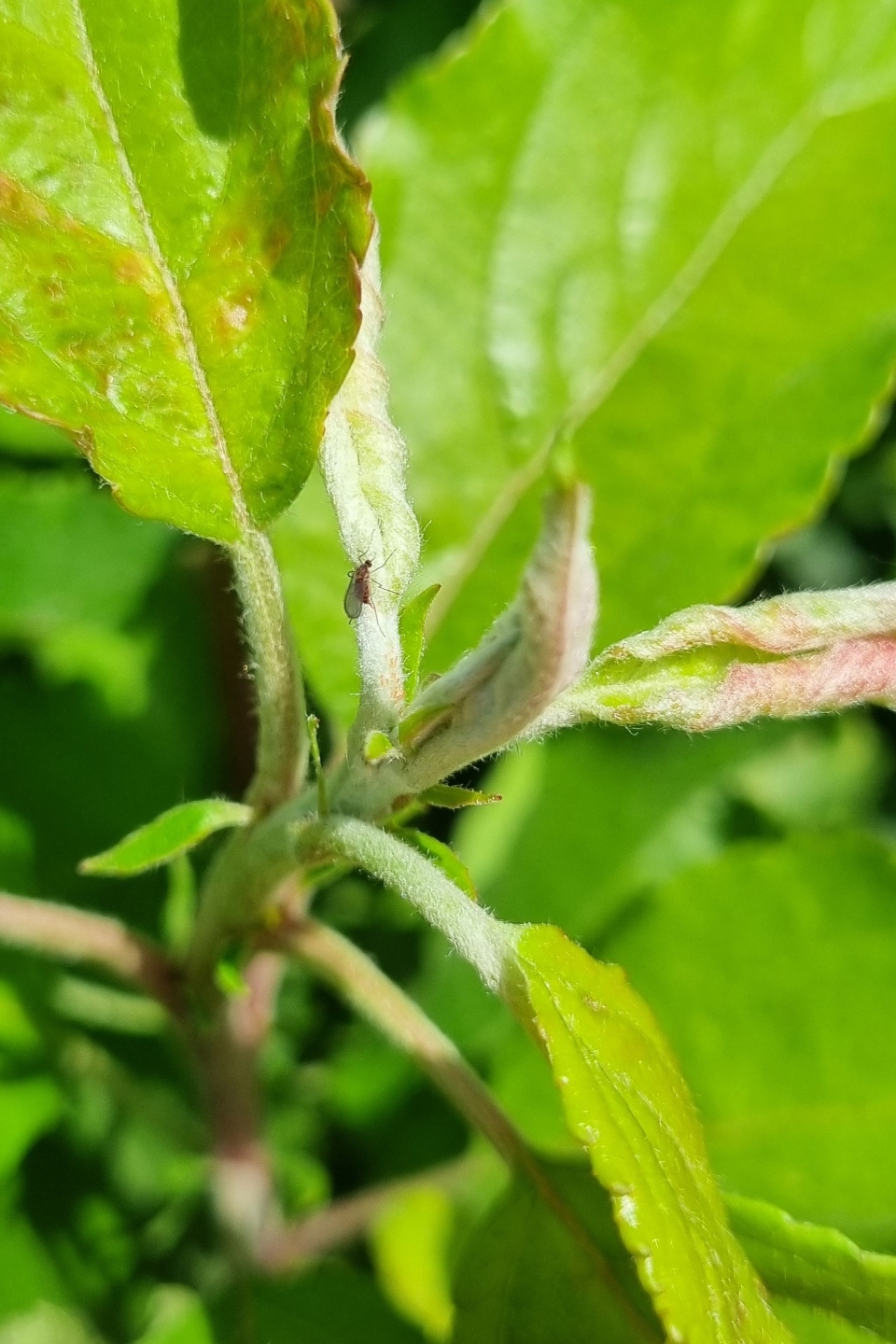
We provide independent pest and disease (P&D) monitoring services for pipfruit and kiwifruit orchards and vineyards. Our monitoring programmes cover a wide range of pests and diseases, including apple leaf-curling midge (ALCM), European red mite (ERM), scale insects, woolly apple aphid (WAA), mealybug, powdery mildew, and black spot. We can also provide customised fruit quality assessments of frost, hail and russet damage, or phytotoxicity symptoms along with statistical analysis to identify trends and causal factors.
Every assessment is tailored to your needs, with monitoring targets, timing, and risk thresholds suited to your crop, orchard, and management objectives.
Short-term value: Optimise spray programmes with accurate, real-time information on pest and disease pressure. Monitoring identifies incidence and severity, helping you make timely, evidence-based decisions.
Long-term value: Historical monitoring records reveal seasonal patterns and long-term trends, particularly for cryptic and market-sensitive pests and diseases. Objective data can highlight early signs of control failure, support benchmarking, and help develop more targeted, cost-effective control programmes for future seasons.

Auditing
Export with confidence through our MPI-accredited CMSM compliance service.
Pipfruit growers in the Codling Moth Sensitive Market (CMSM) programme can rely on us for compliance monitoring, CMSM audits, and independent verification. Our team ensures your monitoring programme meets MPI and export market requirements, helping you maintain access to sensitive overseas markets and protect returns for your fruit.
We can also take care of your orchard mapping requirements for CMSM registration and programme compliance, giving growers confidence that their documentation and monitoring requirements are met accurately and efficiently.
Coverage & crops
Across all of Hawke's Bay, we monitor the pests and diseases that matter most in pipfruit, kiwifruit, and grapes.
Pipfruit coverage:
- Codling moth (key market access pest for pipfruit)
- Light brown apple moth (LBAM) (leafroller)
- Apple leaf-curling midge (ALCM) eggs and adults
- European red mite (ERM)
- Scale insects
- Woolly apple aphid (WAA)
- Mealybug
- Powdery mildew
- Black spot
- Fireblight
- European canker
Grape coverage:
- Botrytis
- Powdery mildew
- Downy mildew
- Phomopsis
Kiwifruit coverage:
- PSA
- Leafrollers
- Scale insects
Additional monitoring services are available on request to meet specific crop or market requirements.
What our clients achieve
With Fruition, you gain a documented, independent monitoring programme that strengthens confidence with packhouses, exporters, and certifiers.
You will be better positioned for CMSM audits, with clear records that demonstrate compliance and support market access for New Zealand fruit. Our data-driven approach enables you to reduce unnecessary sprays, lower input costs, and maintain high levels of control.
Over time, this builds a more resilient, efficient, and compliant production system aligned with both commercial goals and regulatory obligations.
“We’ve used Fruition’s trapping services across our blocks for years. The data is accurate, the team is professional, and they make a complex part of orchard management stress-free.”
Got any questions?